
talk about fasd to raise awareness
You do not need to be an expert or have all the answers. Start with one clear message, listen without judgement and help people find reliable information and support..
why talking about fasD helps
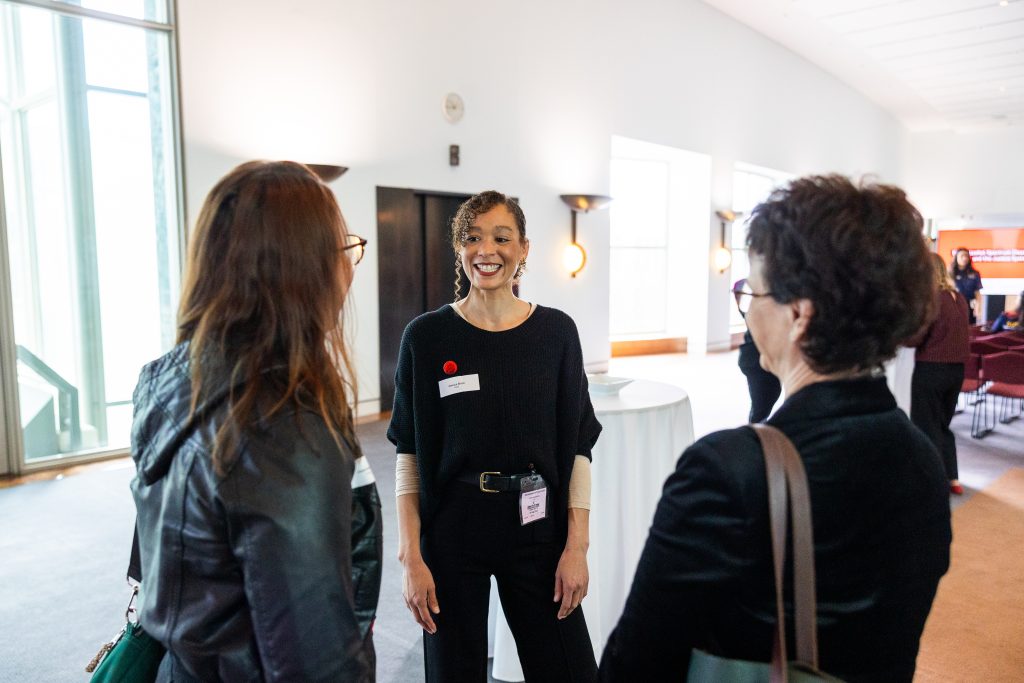
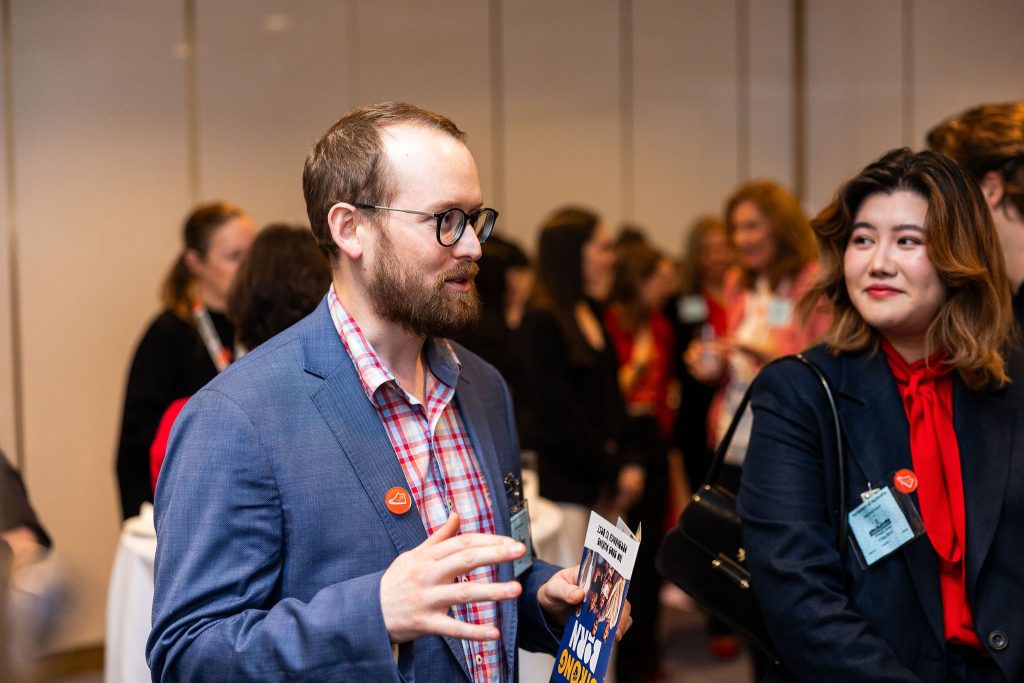
Talking with one person about Fetal Alcohol Spectrum Disorder, or FASD, can help build understanding, challenge stigma and make reliable information easier to find.
You might start a conversation because someone notices your red shoes or socks. You might share a campaign post, talk with colleagues, or explain why your organisation is taking part.
Start with these simple steps
Start with your shoes
You could say “I’m wearing red shoes for Red Shoes Rock, a campaign that raises awareness of Fetal Alcohol Spectrum Disorder.”
Share one clear message
You could say “FASD is a lifelong neurodevelopmental disability caused by prenatal alcohol exposure.”

Make connections
You could say “NOFASD Australia and FASD Hub Australia have reliable information about FASD, assessment, diagnosis and support.”

Highlight lived experience
You could say “Red Shoes Rock is led by people with lived experience of FASD. You can learn more about it by watching their stories.”
conversation tips
Speak about the person before the disability.
Say “person with FASD” or “person living with FASD”, rather than labels such as “FASD person”, “FASD kid” or “FASD sufferer”.
Where possible, follow the language and identity preferences of the person you are speaking with or about.
Keep information simple, accurate and supportive.
FASD is a lifelong neurodevelopmental disability caused by prenatal alcohol exposure. It can affect areas including learning, memory, attention, communication, sensory processing, planning and emotional regulation.
Every person with FASD has their own strengths, interests, relationships, goals and support needs.
Australian guidelines recommend that people who are pregnant or planning a pregnancy do not drink alcohol.
Many pregnancies are unplanned, and people may drink before knowing they are pregnant. Some people also experience alcohol dependence, mental health challenges, violence, social pressure or barriers to health care.
Focus on clear information and the support people need, not assumptions about their circumstances.
People with FASD are experts in their own experiences.
Listen without asking someone to disclose personal information or educate everyone around them. Respect their privacy and let them decide what they want to share.
Community stories can help us understand peoples’ different experiences of FASD and what meaningful support looks like.
You do not need to guess or provide individual medical advice.
It is okay to say:
“I’m not sure, and I don’t want to give you the wrong information.”
“People’s experiences of FASD are different, so I wouldn’t want to speak for everyone.”
“NOFASD Australia or FASD Hub Australia would be a good place to check.”
“That sounds like a question for a qualified health professional.”
Avoid diagnosing someone, estimating an individual pregnancy risk or offering reassurance that everything will definitely be fine.