Listen to lived experience
People living with Fetal Alcohol Spectrum Disorder (FASD), their families and communities are sharing their stories to help raise awareness and increase understanding.
Community stories
Meet people living with FASD, families, carers and supporters helping to lead Red Shoes Rock.

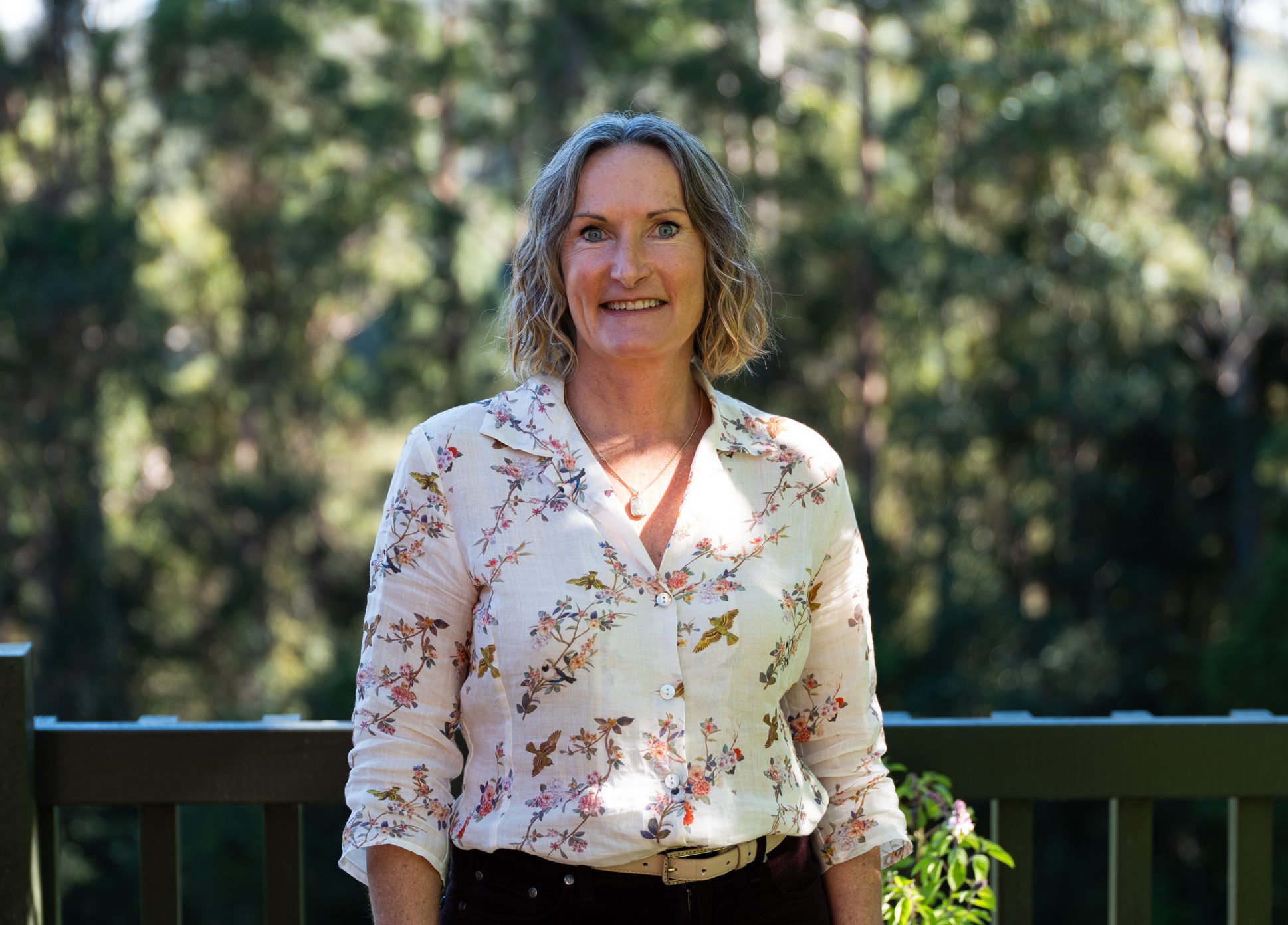
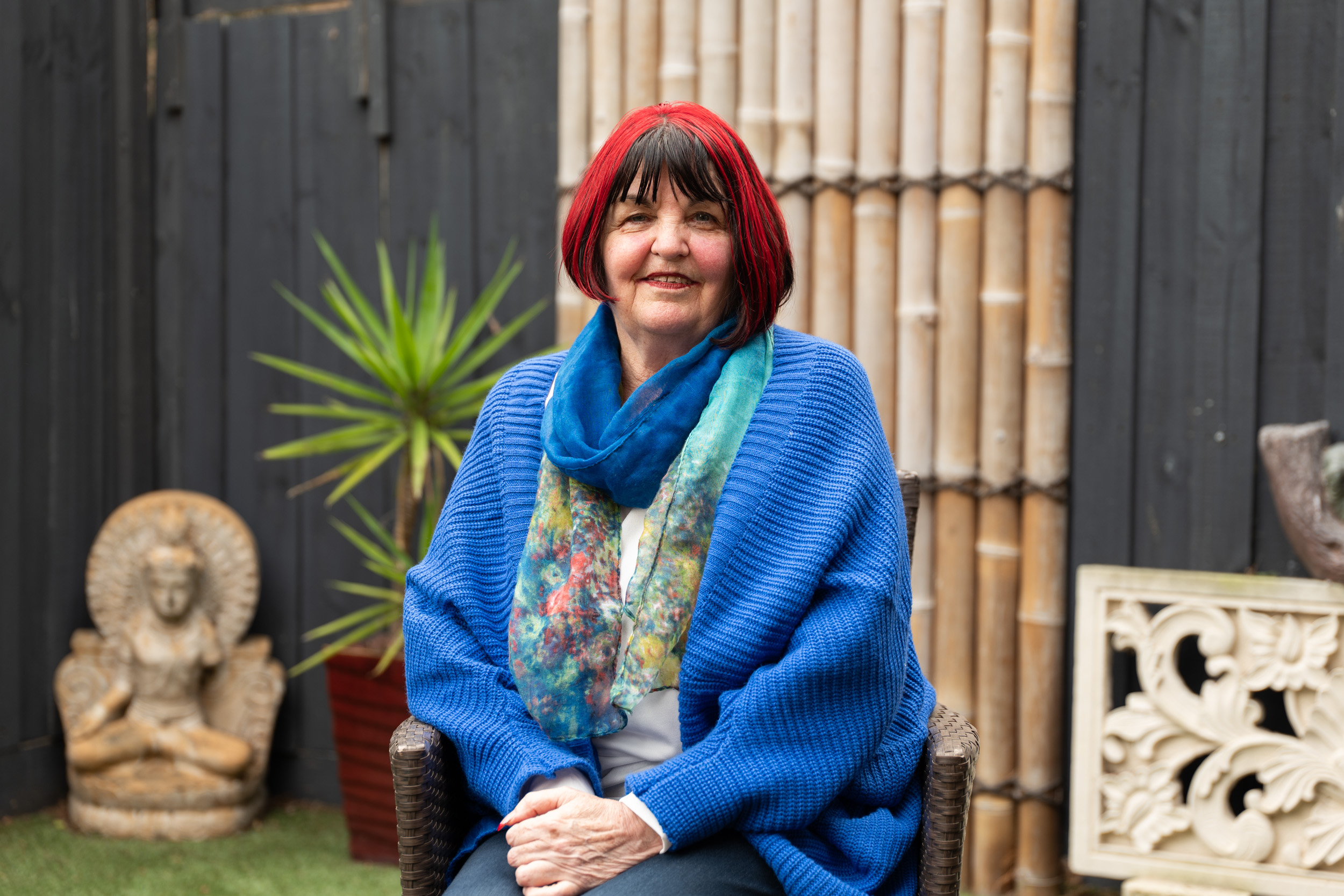
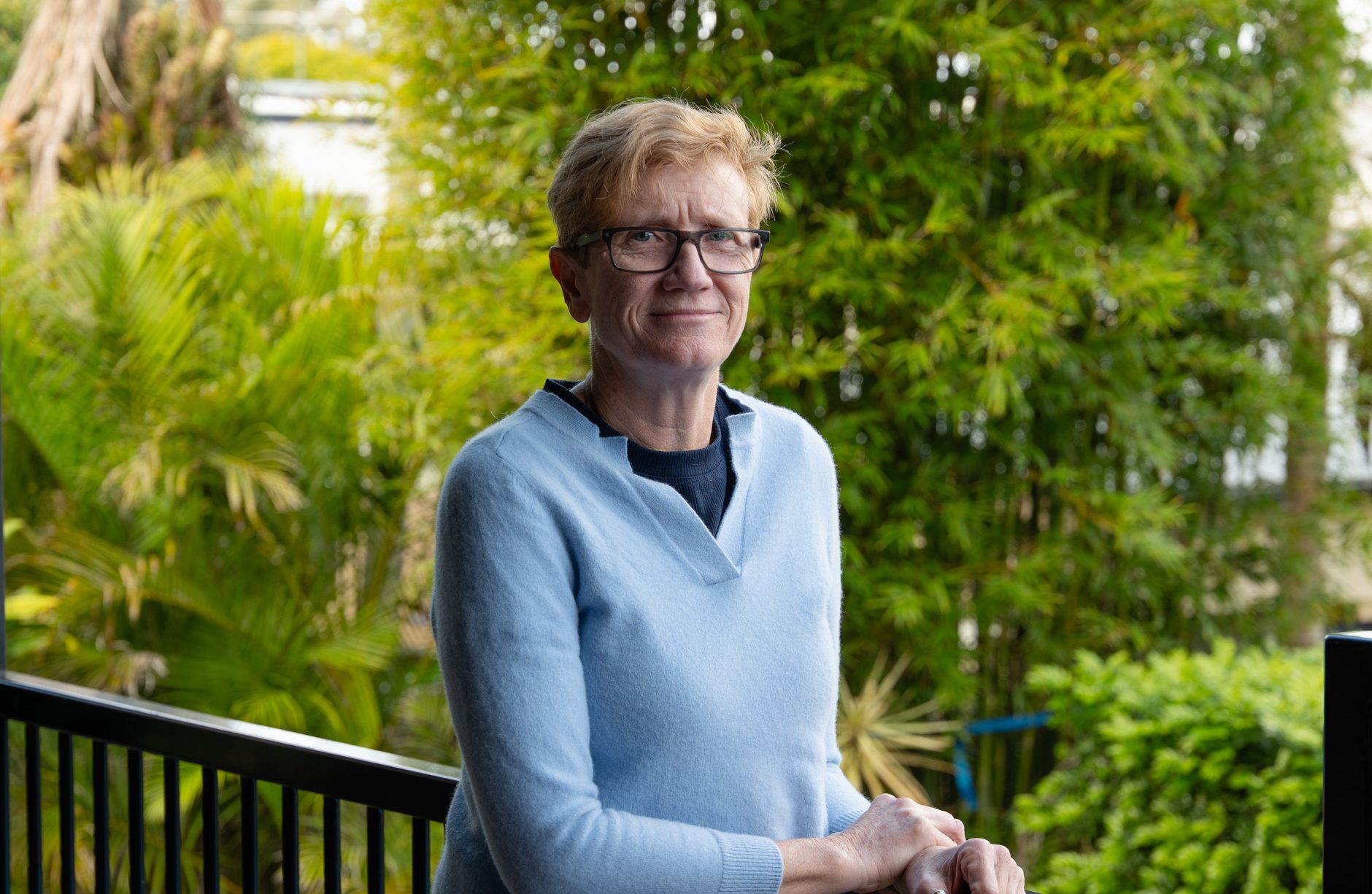
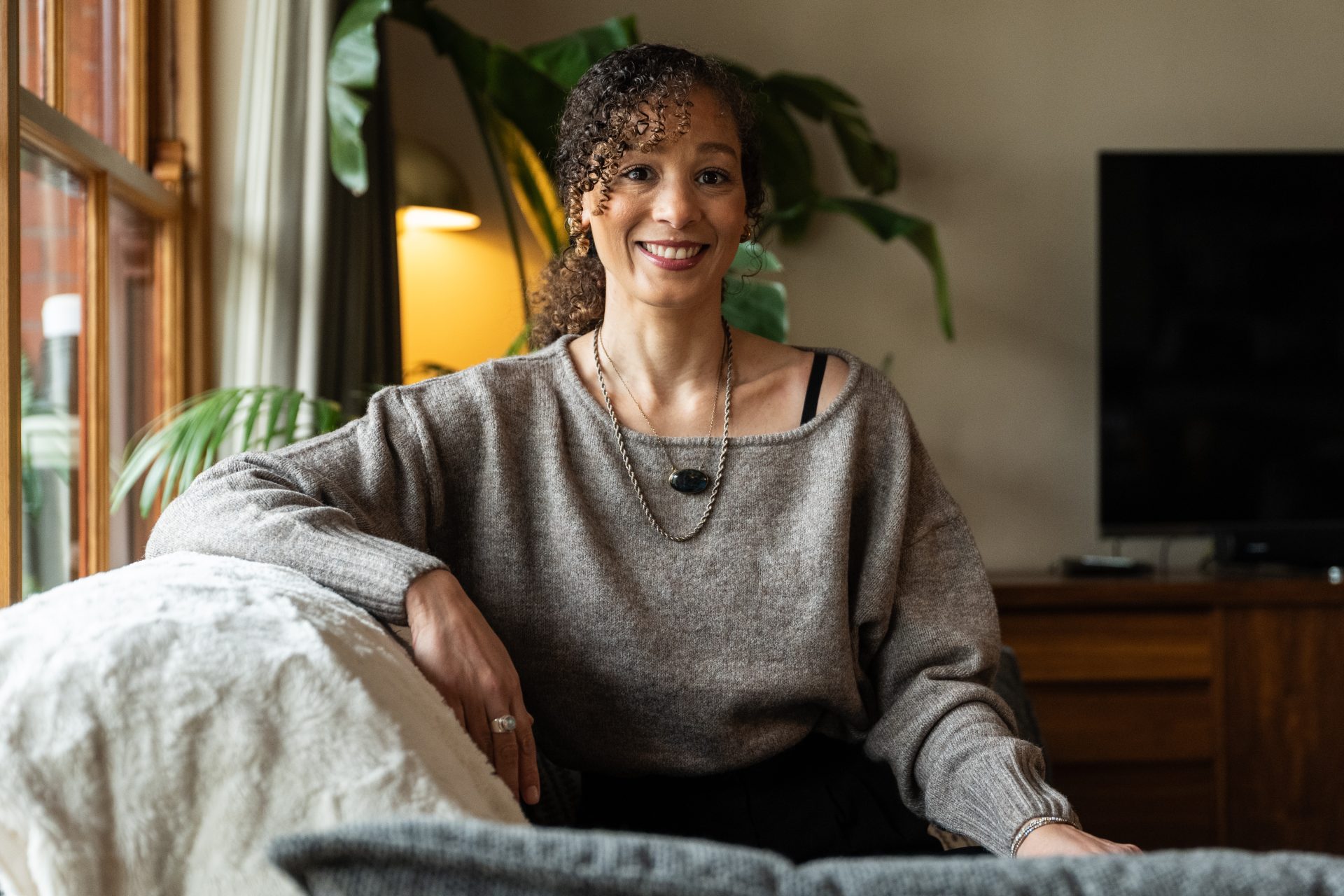
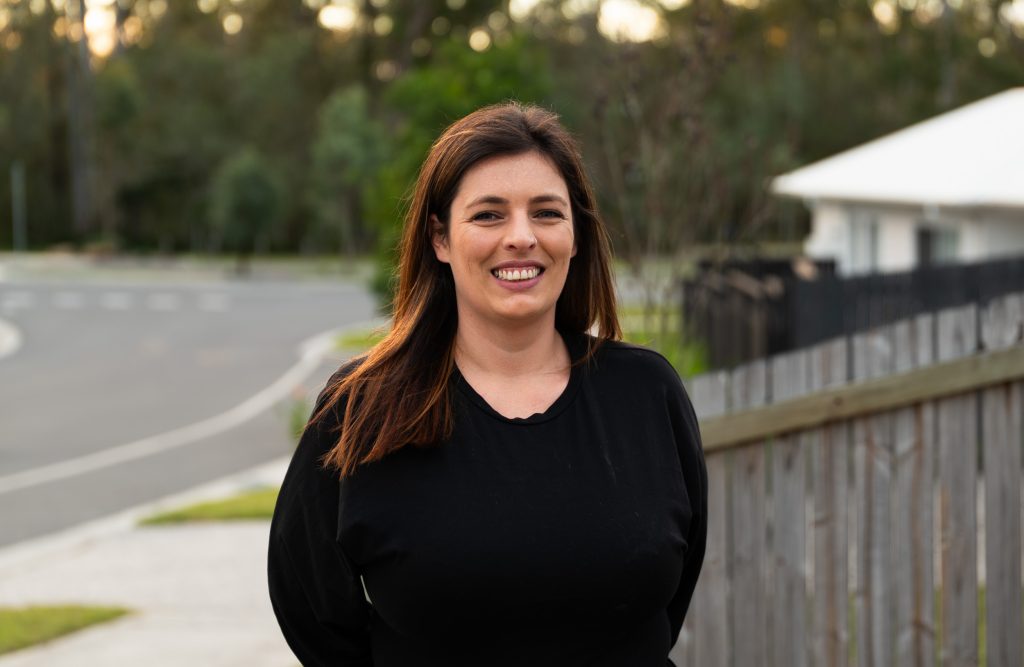
April’s story
For April, good support starts with listening. She believes young people with FASD should be recognised for what they can do and be included in decisions about their lives.
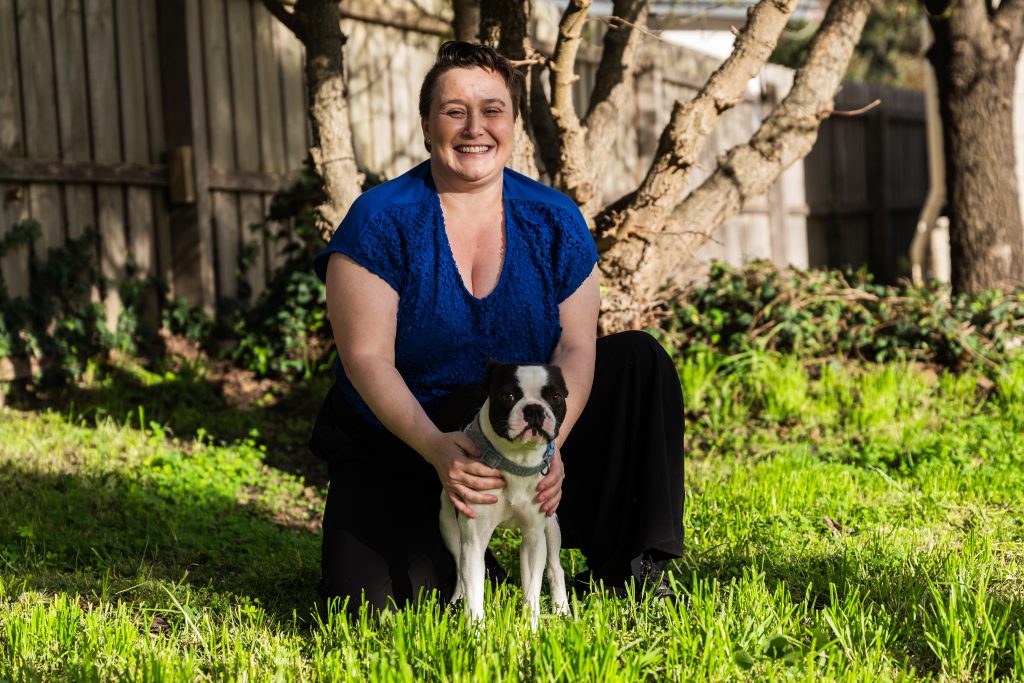
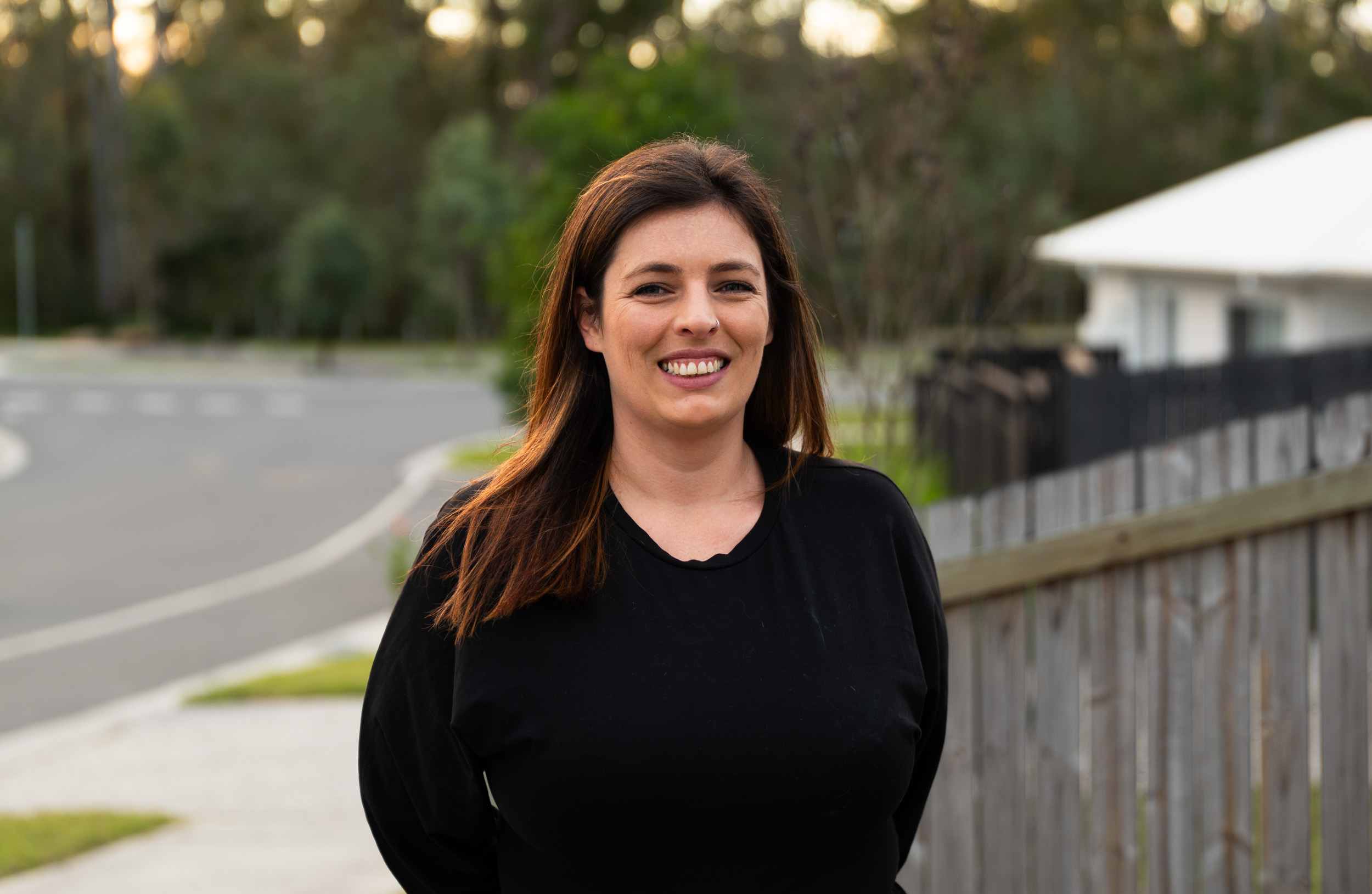
Bernadette’s story
Bernadette wants families caring for someone with FASD to know they’re not alone. She shares how a simple question led to answers, support and a greater understanding of her son’s needs.
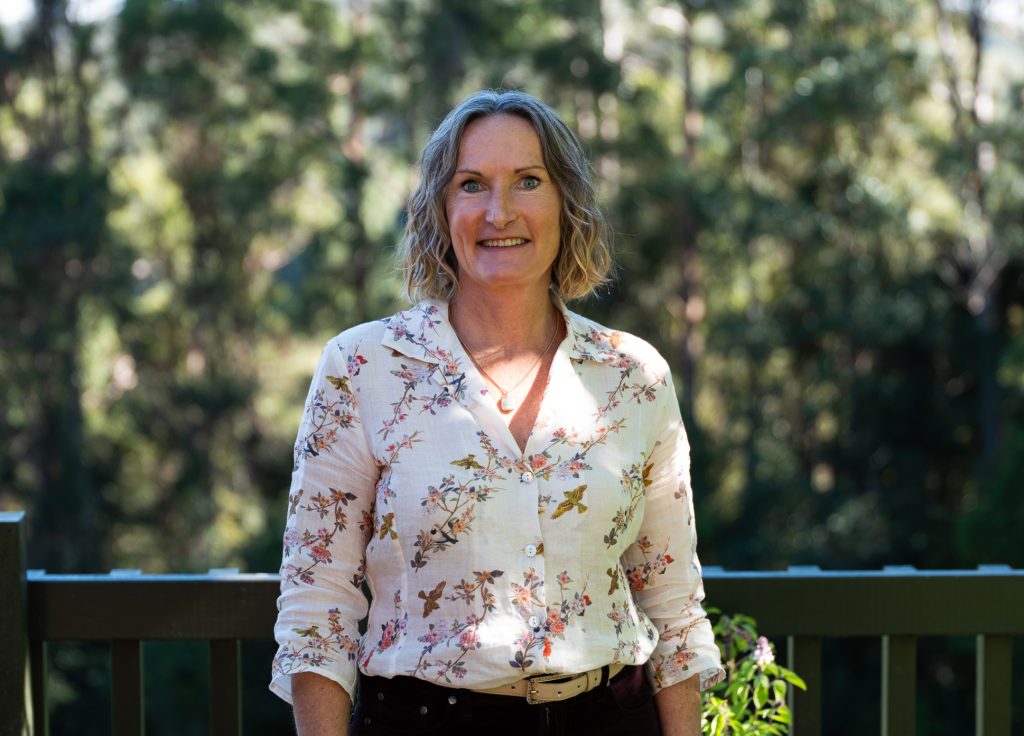
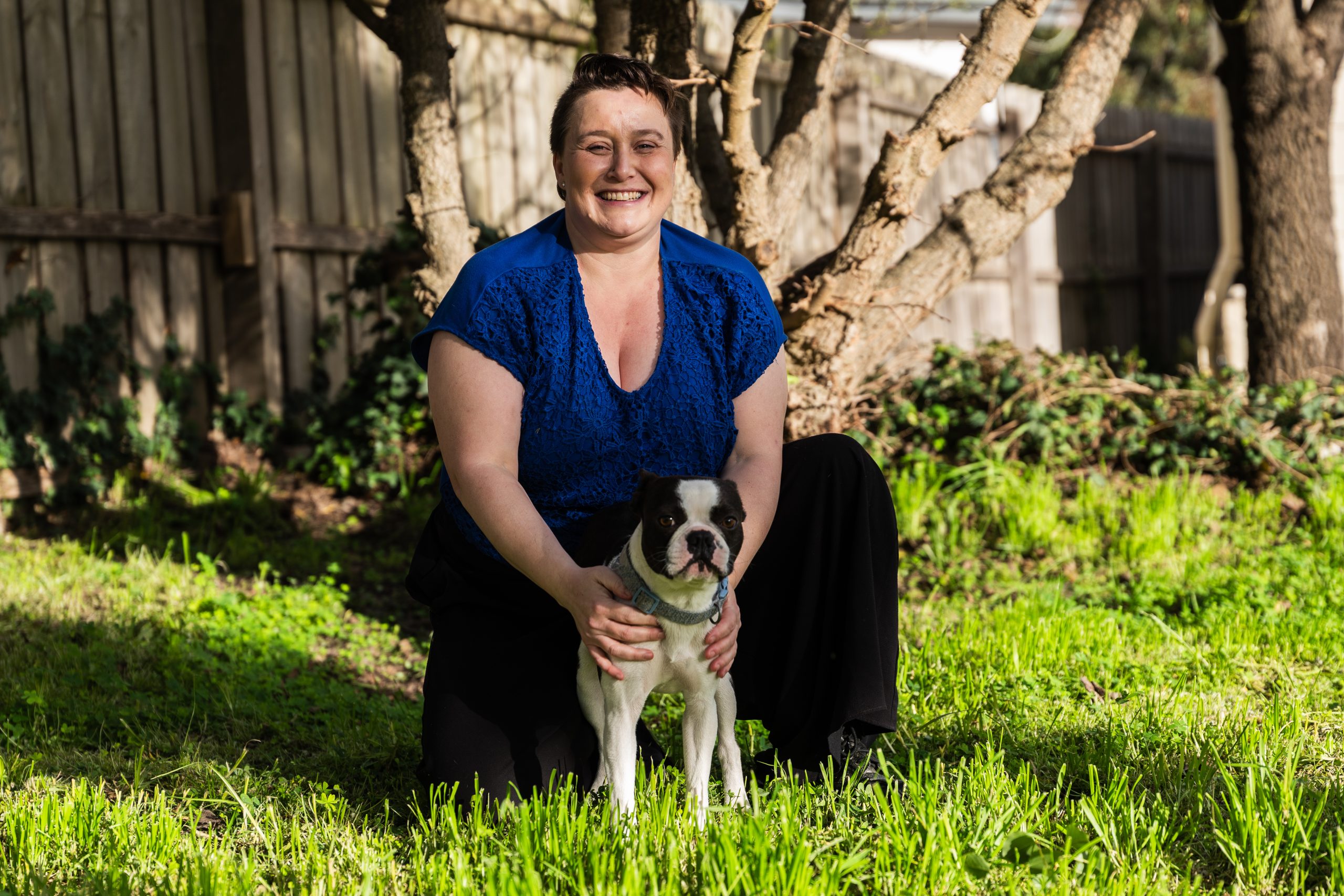
Cass’s story
For years, Cass searched for answers to better understand her foster son’s needs. A FASD diagnosis helped provide clarity, understanding and a path forward.
As part of the global Red Shoes Rock FASD Awareness Month campaign, FARE is sharing lived and living experience perspectives to support greater awareness and understanding of FASD.
Participation in this project was entirely voluntary. These stories reflect the experiences and perspectives of the people who chose to participate following a publicly shared expression of interest. They do not – and could not – represent the full diversity of people, families and communities affected by FASD.
People’s experiences of FASD, and the ways they may choose to share them, are shaped by culture, community, history, stigma, and experiences of systems and services. Public storytelling may not be appropriate, safe or meaningful for everyone.
FARE will continue building relationships with organisations, advocates and communities across diverse cultural, faith and gender backgrounds, recognising that meaningful engagement starts with listening and relationship-building. This includes creating time and space for people and communities to shape what safe, culturally appropriate and meaningful FASD advocacy looks like for them – including whether, when and how their stories are shared publicly.
Each participant has shared their own experiences and perspectives, in their own language, at the time of filming. If you have questions about FASD diagnosis or support, please speak with a health professional or contact FASD Hub or NOFASD Australia.
Thank you to everyone who has contributed.
This project was led by FARE, with Morgan Cataldo supporting the lived experience approach, participant engagement and storytelling process.
Stories can change how people see FASD
FASD is often misunderstood. Lived experience stories can deepen understanding of the impacts of stigma, delayed diagnosis and gaps in support, while sharing people’s experiences, perspectives, hopes and advocacy.
Every story shared through Red Shoes Rock is shared with permission and care. We invite you to listen, learn and share these stories in ways that respect the people behind them.
Listen, Learn, & Share
Lived experience stories help build understanding when they are shared respectfully.
Frequently asked questions
Stories help people understand FASD beyond facts and statistics. They can help show why respectful language, diagnosis, support and systems change matter.
Stories should be shared with consent, care and clear boundaries. People decide what they want to share and how they want to be represented.
Yes, where sharing options are provided. Please use the approved links and captions, and avoid editing or reframing someone’s story without permission.
If you are living with FASD, or have lived experience as a family member, carer or support person, you can get in touch with our team here.